Category: Animals

  • Signs Your Dog Has Fleas

    Signs Your Dog Has Fleas

    If it’s one thing every dog owner dreads, it’s finding out that their beloved canine companion is infested with fleas. These pesky little bloodsuckers literally sap the life out of your pet and cause major discomfort and distress. Even worse, a flea infestation can move from your dog, and into your home and begin to bite people. There are numerous solutions these days to eradicate fleas and keep them from making their home on your dog, so avoid ever having to see these symptoms by getting the proper treatment before the problem even starts.

    1. Excessive scratching

    It’s natural for dogs to scratch themselves with some regularity, but if you see your dog scratching obsessively, and might be whining and crying at the same time, there’s a good chance that your dog is suffering from a flea infestation.

    2. Licking

    Oftentimes excessive scratching will irritate the dog’s skin and may lead to skin irritation, which he or she may react to by licking a particular area or areas excessively. Sometimes a dog may simply get frustrated with other attempts to remedy their discomfort and may resort to licking as another option to try to rid themselves of fleas.

    3. Chewing and biting

    A dog’s natural reaction when it feels something causing it pain may be to bite or chew at a particular area a lot. A dog will tend to use its front teeth to kind of nip at the surface of the skin in order to stop whatever it is that is disturbing it, in this case, fleas.

    4. Sores

    In some cases, a flea infestation may be severe enough to cause sores to appear on the dog’s skin. Sometimes there may be bleeding involved or other fluids that appear to be weeping from the affected area.

    5. Infection

    Fleas can cause infections due to the bacteria they are often harboring, which can make its way under your dog’s skin. This may be discovered by noticing that pus is oozing from your dog’s pores. Infections can become serious, so seeking treatment for your dog as soon as possible is a good idea.

    6. Hair loss

    A flea infestation may take a while before it has this effect, but the speed with which an infestation causes such noticeable problems like hair loss will likely vary from dog to dog. Typically, patches of hair will be missing, and sores may be visible in those areas.

    7. Other visual evidence

    At times, petting your dog could reveal the presence of fleas simply due to the evidence that the fleas leave behind. This visual evidence is sometimes referred to as “salt and pepper” since the flea’s feces will appear dark or black in color, while the flea eggs will appear white.

    8. Tapeworm segments

    Although this is not something everyone will readily associate with a flea infestation, seeing bits and pieces of tapeworms around the dog’s rectum and in the stool is often an indication that your dog currently has a flea problem or has in the past.

    9. Rubbing

    Dogs are well known for scratching themselves on a pretty regular basis just as we do when we get an itch, which can happen many times during the course of a day. Rubbing is not something most dogs do routinely, so this is often another indication of flea infestation.

  • 10 Best Dog Breeds For Familes

    10 Best Dog Breeds For Familes

    Dogs, in general, are pack animals and whenever dogs are taken as a pet into a family, it considers the family as their pack. It is very important to choose the best breed that is suitable for your family where they can easily consider the family as a pack and adapt well.

    10. Beagle

    Beagles were generally kept as hunting dogs as they have a very strong built and never get tired. They are great with active energetic kids because they love to play around and they are full of energy. Their compact size might suggest otherwise, but they need lots of exercises. However, they do need lots of brushing and bathing and they shed a bit. They make great nannies for kids.

    9. Maltese

    These little balls of fur have been known as “The Comforter” from Elizabethan Times as they were believed to relieve pain and reduce anxiety. They are always white in color and look very elegant and haughty however, looks can be deceiving. They are one of the friendliest dog breeds, but they adapt well with adults rather than with kids. They can be groomed easily, but they shed a bit.

    8. Bull Terrier

    Bull Terriers are widely misjudged as an aggressive animal, whereas they remain calm in most situations and love to play and roughhouse. They adapt well with both adults and children and can actually teach children how to relate to dogs and act as nannies as well. They need plenty of exercises even though their calm exterior might suggest otherwise. They cope well with large families and are generally very protective of their family’s children.

    7. Collie

    Collies make great pets for first-timers as they are easily trainable and rarely bite. They are great with children and it is in their nature to please the family and protect them. They are very intelligent as a breed and were originally bred as herding dogs so it might try herding your kids once in a while. However, their silky coat needs some very high maintenance grooming.

    6. Newfoundland

    It is hard not to fall in love with these large balls of fur. They are natural babysitters and known as “The Nannies” because of their natural love for children. This breed loves to be inside more so they are suitable for families with large open spaces in their house. They are gentle, kind and patient by nature and both adults and children fall in love with them. They tend to drool a shed quite a lot.

    5. Poodle

    Standard poodles are very suitable for families, whereas miniature poodles tend to be very high maintenance for families with children. They shed very little compared to other breeds so they are best for children with allergies. They are easy to train and make great playmates, as they are very fun loving and intelligent.

    4. Husky

    Huskies make loving companions even though they are not suitable pets for first timers as they take quite some maintenance. They are intelligent, affectionate and independent, which might be suggested otherwise because of their wolf-like exterior. They have never been known to show any aggression towards their families or other animals.

    3. German Shepherd

    Firs of all, it is worth mentioning that German Shepherds are one of the finest guard dogs amongst all dog breeds. Extremely loyal to their owners, they are alert, intelligent, and fiercely protective. They are also commonly used as police dogs.  German Shepherds don’t need much maintenance thus can be adopted even by first-timers.

    2. Labrador Retriever

    Labrador retrievers make great service dogs, guide dogs, and drug dogs because of their steady nature and ability to learn. They are one of the most popular breeds amongst the world because they are playful, patient, loving, protective and reliable. They are amazing with kids because of their loving nature.

    1. Golden Retriever

    Smaller than Labradors, they also have a shorter life span. They are very clever and can be easily trained, as they love to please their humans and crave human company. They are confident, smart, kind and loyal by nature and amazing with kids because of their stable nature. They love to play and have an amazing level of energy.

  • His cruel owner left him out in a storm. But then a brave neighbour does this

    His cruel owner left him out in a storm. But then a brave neighbour does this

    When a sudden storm with heavy rainfall and hail hit this neighbourhood, most of the residents just made sure they got themselves inside to stay dry.

    Unfortunately, this poor dog was not only forgotten by his owner, but was left tied to a tree, unable to even get out of the rain. Luckily, one neighbour saw him and rushed out to his rescue. When she couldn’t untie the dog’s leash, I thought she would abandon him, just like his owner, but then this happened…

    https://www.youtube.com/watch?v=LkaqncAAIKw&rel=0&controls=0&showinfo=0&fs=0

  • Best Food For Pitbulls

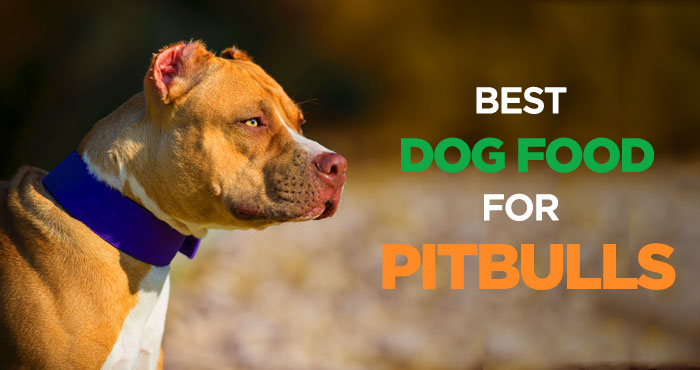
    Best Food For Pitbulls

    best-food-pitbulls

    Ideally, raw meat is the best diet for your Pitbull, however, raw meat can get pricey in the long run. For this reason, you may prefer to buy bones from your local butcher and feed it to your dog. Another great alternative would be to buy raw meat and mix it with your dog’s dry food, which gives an edge to your dog’s diet. While meat might be the best diet for your dog, the reality is that most people can’t afford to buy meat for their dogs on a daily basis, so they rely on dry dog food.

    When it comes to choosing dry dog food, there are no shortages of options. There are hundreds of brands to choose from. So, how do you know which brands are the best and which brands are not so good? There are several things you should take into consideration when selecting which foods to buy for your Pitbull.

    Check the ingredients that have been used to make the food. Buy dog food which are high in protein, as this will help to satisfy your dog’s appetite for longer, while ensuring that the food meets your dog’s nutritional requirements. Avoid brands where a large chunk of the ingredients included are just fillers such as rice, corn, potatoes and wheat. Meats lower in calories such as turkey chicken, lamb and fish are preferable.

    The food you choose should include vitamins, minerals and fatty acids. These are important for your dog’s development. Avoid foods high in salt, phosphorous and nitrates. These are often found in cheap dog foods.

    Your dog also needs to eat carbs, fruits and vegetables. Carbs are important in giving your dog the energy that it needs. Pitbulls are strong breeds, so they need foods that will give them strength. Find foods that offer your dog a balanced diet.

    While high quality food may be more expensive, it is certainly worth it. Here are some recommendations of quality dog food brands that you can buy for your dog.

    • Orijen Dog Food is the next best thing you can feed your dog if you cannot afford raw meat all the time. They rear their own free range chickens and they have fishermen who go out fishing for fresh salmon and other fishes to be included in their dog foods. Their foods are enriched with protein by up to 80%.
    • Taste of the Wild is also a good brand to try out. It is grain free and full of protein. It is modeled after what dogs used to eat before domestication. It is rich in dry roasted meat. It also includes fruits and vegetables, which aids in the digestion of the food.
    • Blue Buffalo Wilderness is modeled after what wolves eat. It is grain free and high in meat. It has no preservatives or artificial ingredients. It is enriched with extra oxidants and nutrients to keep your dog healthy.

    Try different brands of food until you find what works best for your dog. Some brands may work well for some dogs and not so well for others, so experimenting with different brands is a good idea.

  • Top 10 Cutest Dogs in the World

    Top 10 Cutest Dogs in the World

    Many people believe that a dog loves its owner more than life itself. Dogs are playful, loyal, and their crazy antics keep us in stitches all day. Although dog lovers won’t argue about whether or not you should own a dog, there are certainly a number of opinions on which are the cutest breeds that will be best for your family, especially if you have children to think about. So, for those of you who aren’t familiar with all of the several hundred breeds available, here is a list of what we think are the ten cutest breeds of dog.

    Pomeranian

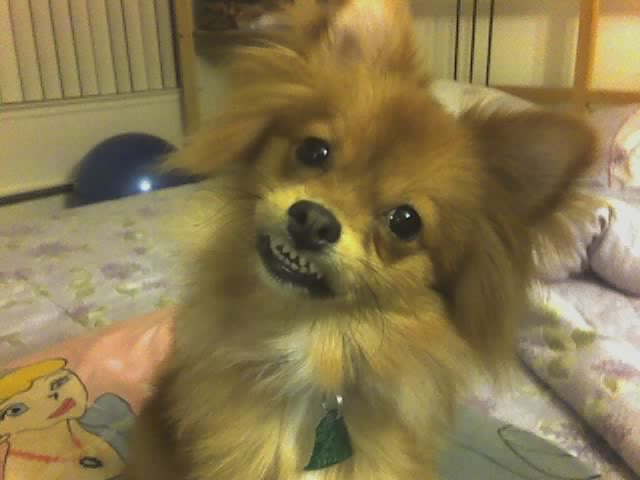
    Pomeranian giving us a smile

    This breed gets its name from the northern part of Poland where it originated. Also known as the Pom Pom, the Pomeranian stays small and the biggest ones will only reach about 3.5 kilograms. That means they’re perfect for small living spaces and for taking anywhere with you since they can easily be carried and transported. One famous Pomeranian who makes his rounds all over Facebook showing off his cuteness is Boo. He stays so cute because of his monthly salon visits. In addition to being cute and little, Pomeranians are also smart and very trainable.

    Shih Tzu

    A Shih-tzu lazing by the fire

    This little dog hails from China and its name translates to “the lion dog.” The Shih Tzu, however, is about as far away from a lion as you can get, though it does have some fabulous hair which needs regular grooming to keep it looking great. However, grooming is a great way to bond with your Shih Tzu, so it ends up being a bonus for both of you. The Shih Tzu is known for being loyal, outgoing, and very alert. They just need a little bit of training to be wonderfully obedient.

    Cane Corso

    cane-corso

    Also known as the Italian Mastiff because of where it originated, the Cane Corso is an athletically-build dog that can get up to 130 pounds. Because of its size and energy levels, it’s better suited for an active family that has some space for them to enjoy. Because Cane Corsos are among the smartest dog breeds, it’s also important that they get training early on so that they will get along well with other pets and kids as they grow to their full size.


    Bichon Frise

    A Bichon Frise lying down

    This breed was founded in Spain in the 13th century, and it’s name means “curly lap dog.” As sailors began travelling with these dogs, they slowly became more popular throughout Europe until the 16th century when French royal courts fell in love with the breed and firmly established their popularity. Although their appearance is refined and distinct, the Bichon Frise is a cuddly and extremely playful dog which makes them great for children too.

    Boston Terrier

    boston-terrier

    This breed came from the United States, where it’s small compact body, upright ears, and short tail were originally meant for hunting rats that were hiding in factories. Because of their origins, they can be a big aggressive if not trained properly, and they may exhibit protective behavior toward their owners, but with a little bit of work, these cute dogs can be well-mannered, gentle, and loving companions that don’t take up a lot of time or space.

    Cavalier King Charles Spaniel

    A pair of Cavalier King Charles Spaniels

    Originally bred in the United Kingdom, the Cavalier King Charles Spaniel is also known as the “Cavie” or just “Cav.” According to the Kennel Club, it is a toy dog, and these loyal and patient dogs are sure to win over any heart with their tiny muzzles and big beautiful eyes. They’re great with kids and other animals alike, which makes them perfect for a family. Their long silky coats do require some grooming to keep it in great shape, but are otherwise easy going and make great pets.

    Papillon

    A Papillon with their tongue sticking out

    This breed comes from France, and the name is actually French for butterfly, which comes from the shape made by the long hair hanging down from their big triangular ears. Papillons are not only absolutely adorable, but they are also confident, smart, and extremely friendly. Training from an early age is important so that they will continue to get along well with friends and strangers alike, and to avoid any aggressive behavior that they can sometimes develop towards strangers. Since they can live up to 17 years of age, it means you’ll have a great companion for many years to come.


    Pug

    Pug looking sad

    Another cute dog that came from China is the Pug. Pugs have very short muzzles and plenty of wrinkles in their faces. No matter what’s going on, their little curled tails will stay right up against their hips and backs. Pugs are known for their spunky personalities that can get them into all kinds of trouble, but their cute faces usually help them escape punishment. Friendly with strangers and great with other pets, Pugs prefer the company of their owners as they are extremely loyal.

    Japanese Chin

    Portrait of a Japanese Chin

    From Japan we get the Japanese Chin, an adorable little dog that loves to serve their owners in every possible way. They’re well-mannered, very loyal, and super affectionate. They’re also fairly active and known for being able to jump surprisingly high for their size, so be prepared to get more active if you decide to bring a Japanese Chin into your life. Because they can also be sensitive dogs, they do better with adults and if they are the only dog in the house.

    Sussex Spaniel

    A cute looking Sussex Spaniel

    Despite their somber appearances, Sussex Spaniels are actually very good-natured and friendly dogs that get along well with strange humans and dogs alike. They’re also very loyal and known for being great for kids. Because they were originally bred as a sporting and gun dog, they not only make great family pets, but they’re also great hunting companions and can help with a hunt with just a little bit of training.

    So do you agree with us? What do you think is the cutest dog breed?

  • Sea Otter Facts

    Sea Otter Facts

    sea-otters

    Sea Otters are lovable animals that reside both ashore and in water. They are however usually mixed up with beavers. They for the most part live ashore in close proximity to waterways. They feed on both water creatures, for example, fish as well as land animals counting little reptiles. They are little creatures that grow to about four feet long and weigh about 30 pounds. There are 13 distinguished types of Otters recognized.

    A great many individuals observe the Sea Otter to be an amicable looking animal. They have the tendency of allowing people to be so they aren’t a danger in the event that you happen to come across one. Be that as it may, they do bite and can also battle using their tails so in the event that you are inciting an assault then you have been cautioned.

    Sea Otters have been in existence for no less than 5 million years according to the remains of early fossils. They inhabit various areas and even little waterways. Owing to hunting activities and the demolition of their natural surroundings the future of a few species of this animal group is in great danger. A large number of them can’t sufficiently discover nourishment to stay alive or the water bodies surrounding them are contaminated which causes illness to them.

    For little animals however they do consume a considerable amount. They can devour on a day to day basis about 20% of their body mass. At the point when a female is nursing a young one, she will devour considerably more than 20%. Approximately 5 hours daily is spent on scavenging and devouring nourishment. Otters must be exceedingly versatile too in order to be able to discover the sources of nourishment available. In case their natural living space isn’t sufficiently nourishing them, they will need to relocate to another area.

    The body characteristics of the Sea Otter enables it to adapt extremely well both in water and on land. This is a major reason why scientists believe it has possessed the capacity to adjust to transformations in the surroundings very well. Being that they aren’t totally reliant on one of these environments for nourishment or survival they can alter their lifestyle to manage what is available to them.

    Most Sea Otters are exceptionally social and enjoy spending time with each other. They are very lively making individuals interested in watching them. A few of the regular exercises they incorporate are moving up slopes and sliding down them and also grappling with one another. They additionally can make instruments from things in their surroundings which they use when playing or when they need to protect themselves.

    Given that Sea Otters reside in such a large number of diverse areas, it is simple for them to be watched. Yet, there is far more studies that should be conducted regarding their capability to adjust and survive dangers from people and different creatures, and their correspondence with one another. In any case, there still remains quite a lot of things that we are yet to know concerning them.

    Quite a few Otters are in confined areas and they have a tendency to do fine and dandy. They aren’t costly creatures to cater for. A lot of study data has been gathered from those in confinement. Obviously that has caused so much strain however with different animal activist groups. They believe the Otter shouldn’t be held captive except there certain health issues arise that keep it from having the capacity to survive all alone in nature.

    The endeavours throughout the years to offer protection to these Otters have generally been fruitful however. A few Otter species are currently in genuine risk while a modest bunch of others are believed to be defenceless. With a lot of protection endeavours set up at this time however there is a decent opportunity that we will witness the survival of these animals in many years to come.

    Quick Sea Otter Fun Facts:

    1. Otters living in water are one of only a handful of creatures that use tools. They for the most part utilize rocks, yet have been noticed utilizing glass pop containers and concrete pieces.
    2. Otters are known to hold hands when they sleep and rest, to prevent losing each other
    3. Infant pups can’t sink or plunge.
    4. Otters living in water have integrated pockets beneath their arms.
    5. A gathering of Sea Otters relaxing together is known as a raft.
    6. Otters living in water are the sole marine warm blooded creature lacking a layer of lard (fat).
    7. The fur of Otters living in water has 10x the number of hairs for each square inch than we possess on our whole head. (Human beings 100,000; otters 1,000,000)
    8. The teeth of Otters living in water are sufficiently solid to chomp through the spines of a sea urchin, or crack a shellfish open.
    9. Wild grown-up Sea Otters consume 25% or a greater amount of their body weight daily, or over 12 pounds of fish. A 150 lb human being would need to consume 37 lbs of nourishment daily!
    10. The diet of sea Otters can comprise of: mussels, crabs, fat innkeeper worms, molluscs, abalone, scallops, sea urchins, squid, sea stars, octopus, and snails.
    11. The marine predators of sea Otters include human beings, killer whales and the great white sharks.
    12. Under the (United States) Endangered Species Act of 1977, sea Otters are viewed as “threatened with extinction.” the sea otters in fact are not a species in danger of extinction.
    13. Otters living in water can dive about 5 minutes, and average about 60 feet deep (however can dive about 300 feet).
    14. Sea Otters were believed to be wiped out due to fur hunting until a raft of about 32 otters was discovered off of Big Sur, California in 1938.
    15. Sea Otter possesses: great vision above and beneath water, profound sense of smell and taste, feel for prey, groom, and use instruments with their paws, and use their whiskers to detect vibrations in the sea.
    16. Sea Otters are known to swathe themselves and their pups in kelp fronds while resting so they don’t float away.
    17. Other than predators (human beings, killer whales and great white sharks), about 40% of southern ocean otters are killed by parasites and illness. One pervasive parasite, Toxoplasma gondii is located in feline excrement (do not flush cat litter!).
    18. Sea Otters are viewed as a cornerstone animal categories, in light of the fact that they control (by consuming) the sea urchins that eat up kelp (they additionally assist in alleviating global warming).
    19. Majority of the days are spent by sea Otters grooming, scavenging, eating, and dozing.
    20. The metabolic rate of sea Otters is 2-3 times more noteworthy than different warm blooded animals of similar size (they must consume 25% of their body weight daily).
    21. The sea Otters are interrelated with weasels and skunks.
  • Is It Bad For Dogs To Eat Cat Food?

    Is It Bad For Dogs To Eat Cat Food?

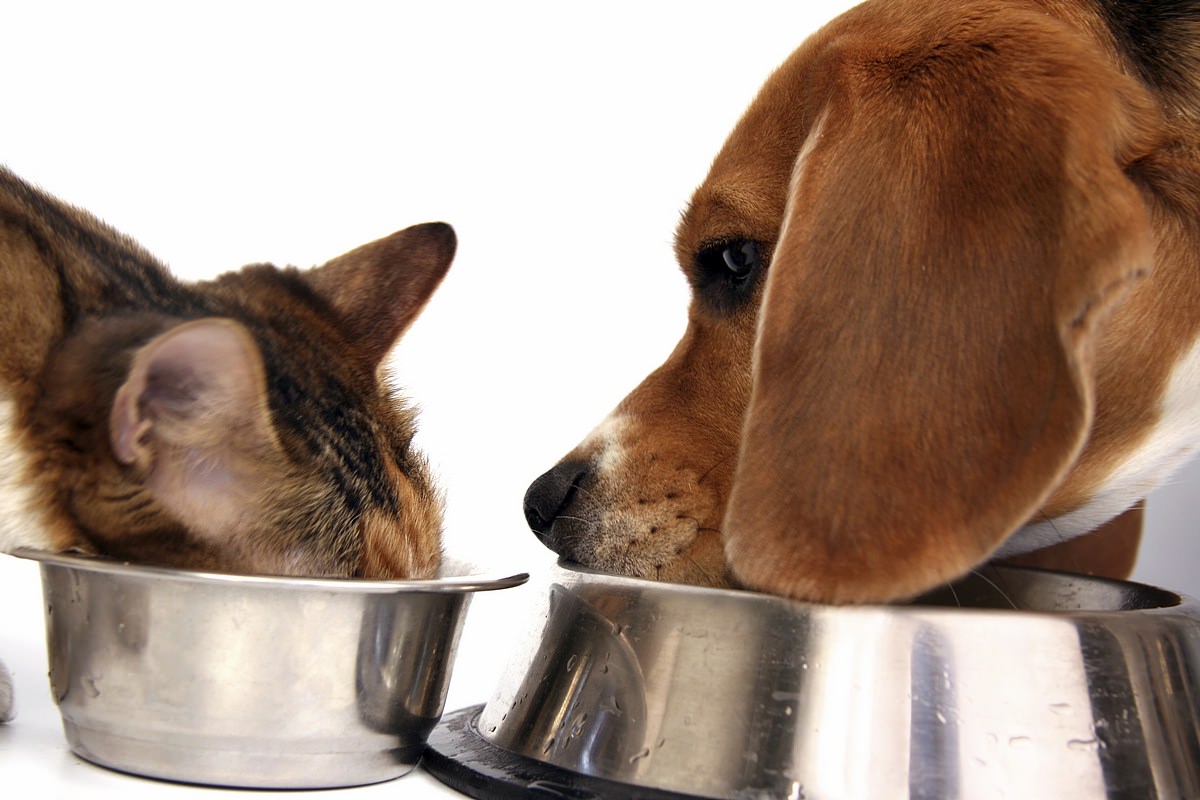
    Dog owners know that there is very little that a dog won’t eat if he can get a hold of it. Wild dogs will hunt in packs, but they have no problem subsisting off of scavenged food that may be as many as several days old. This scavenged food could be the remains of another animal’s kill, a baby animal that didn’t make it, or the feces of another large forest animal. All of that is pretty gross, but wild dogs have a stomach for it, and when it comes to survival, a meal is a meal.can-dogs-eat-cat-food

    A long time ago, before they were man’s best friend, wild dogs—wolves really—were hunters and scavengers but there was a third option. After realizing that they could follow roaming tribes of humans and benefit from their scraps and settlements, these pre-domestication wolves overcame their natural fear of humans and began to live in harmony with them.

    The prehistorical details are fuzzy, but experts believe that one of two things happened: either bold wolves integrated themselves into a mutually beneficial relationship with early people or, alternatively, bold humans stole and raised wolf pups to much the same effect. Either way, the outcome was still the same, and the animals we know as dogs today developed from those early wolves.

    Early dog domesticators took care of their new friends, and as a result the dogs rarely had to hunt for themselves. The dogs were fed scraps from animals that groups of humans could kill, but that the dogs themselves could rarely hope to reliably kill. Life was good.

    Modern dogs are something of an evolutionary far cry from their much wilder and resilient ancestors—regular meals of purpose formulated food is a much better arrangement for them than the odd scraps. This doesn’t stop them from scavenging; knocked over garbage bins and torn packages are the penalty for an inattentive dog owner.

    Dogs, Cats, and their Food

    Aside from whatever scraps hit the floor, dogs have a very strict diet. Dog food is designed to address all of the animal’s nutritive needs, and aside from age-based variations, those needs won’t change. It should come as no surprise then, that cat food is formulated for cats. Of course that won’t stop dogs from getting into cat food, but should they be eating it?

    The short answer is no.

    Cats have different nutritive needs and proportionally speaking they eat less food than dogs, not just because of their size, but the amount of food they eat per pound of body weight is much less than dogs. This means that their formulas are higher in fat, protein, and fibre than dog food and it will be overall much denser. Also, due to the fussy eating habits of cats, their food is much more flavourful and as a result is even more tantalizing to dogs.

    Researchers haven’t fully explored what happens to a dog over time if he or she habitually eats food formulated for cats, but based on what they do know about canine nutrition needs, some inferences can be made. A high protein diet for dogs can inhibit puppy development, and it can reduce kidney function in adults, so there are some long term health concerns for dogs that are chronic cat food eaters. Plus, dogs that are put on specific diets to correct the symptoms of pancreatitis and digestive upset will disrupt their regimens with the high-density cat food.

    A dog that escapes these more serious consequences will certainly fall victim to the most common effect of dogs eating cat food: weight gain. The high density, high fat cat food will pack on pounds without providing your dog with a feeling of being satisfied. Plus, what may be a full meal for a cat can be chomped up in a second by a hungry dog, so while your dog gets fat, your cat won’t be getting the nutrition it needs.

    All of these outcomes are concerns for habitual cat food eaters, but a dog that occasionally breaks the rules will rarely have any serious negative side effects. Some dogs with delicate digestive systems may get diarrhea—sudden dietary changes can cause digestive distress. If this is the case, you can contact your vet to work out a safe dose of Pepto-Bismol for your dog’s age and weight.