Category: Health

  • Health Benefits of Pineapple Juice

    Health Benefits of Pineapple Juice

    pineapple-juiceDigestive Aid

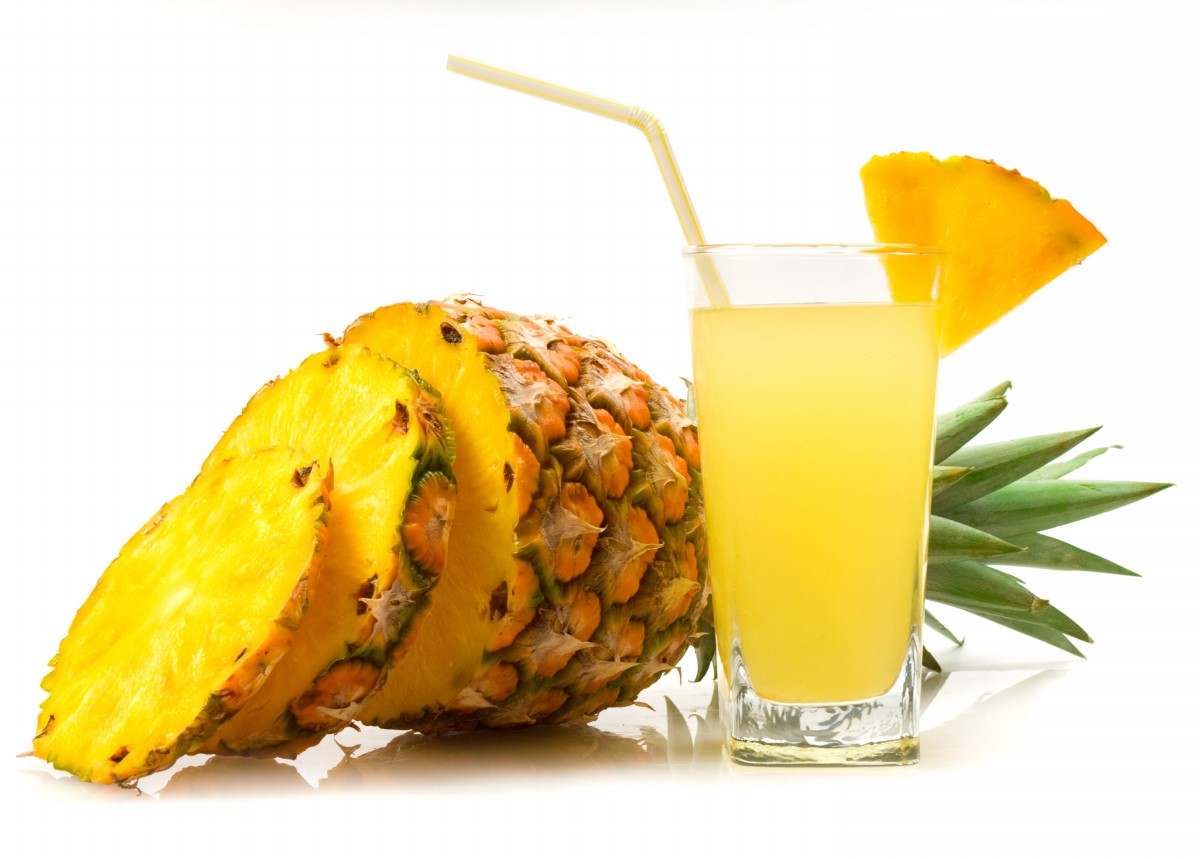
    Pineapple juice is an excellent digestive aid and it also has soothing properties that can heal and augment stomach and intestinal lining. Packed with both soluble and insoluble fibre it is an excellent treatment for infections of the intestinal tract and acts as a natural mild laxative. Enjoying pineapple juice between meals can smooth out the digestive process due to high levels of bromelain, an enzyme that proactively breaks down protein

    Be warned however that too much of a good thing is still too much. Excessive consumption of pineapple juice can cause upset stomach and digestive distress.

    Immunity Booster

    Like other tropical fruits, pineapples are rich in vitamin C, an immune boosting nutrient also found in abundance in orange juice. A healthy immune system improves your body’s ability to fight off common sickness, infections, and other forms of illness. Additionally, Vitamin C is a powerful antioxidant, or a nutrient that helps protect your body from the progressive damage of free radicals, age, and normal body deterioration. A diet that is rich in antioxidants will help protect against some forms of cardiovascular disease among other health benefits.

    Relief from Morning Sickness

    Research indicates that eating a healthy dose of pineapple in the morning can be an effective relief from the effects of morning sickness. To reap the same benefits, the same results can be achieved with a glass of pineapple juice. This has long been a folk remedy, but science suggests that the morning sickness relieving effects can be attributed to pineapple juice’s high vitamin B6 content, a known remedy for pregnancy related stomach distress.

    To get the most out of pineapple for this purpose, drink a glass of juice first thing in the morning.

    Weight Loss Aid

    When on a weight loss diet, foods that provide a feeling of satiety without a high calorie count quickly become staples. Pineapple juice fits the bill on both counts; it provides a feeling of fullness and energy without being a high calorie drink. This is due in part to the fact that, like many tropical fruits, pineapple is high in water content and as mentioned before is high in fibre.

    A recipe for a pineapple based weight loss aid tincture is as follows: cut a fresh pineapple into chunks. Process the chunks with a meat grinder or a food processor (don’t turn it all the way into mush). Add a pint of vodka and store the mixture in the fridge for seven days. Fifteen minutes before meals, take one teaspoon to aid with weight loss and continue as needed.

    Reduces Blood Pressure

    Hypertension is the medical term for chronic high blood pressure and the high potassium content of fresh pineapple juice helps reduce blood pressure. Conversely foods that are high in sodium can raise blood pressure, and a high sodium diet greatly increases the risk of hypertension. Pineapple juice is high in potassium and low in sodium, making it a great way to feel full, feel energized, and combat the negative health effects of hypertension.

    Combats Inflammation

    Bromelain, the same enzyme that aids in digestion is also a powerful anti-inflammatory. This includes inflammation due to minor sprains and bruises as well as chronic sources of inflammation such as that associated with conditions like arthritis and gout. While pineapple juice won’t cure chronic pain conditions it will contribute to lessening inflammation and pain, though remember that too much will lead to an upset stomach.

    Contributes to Eye Health

    In addition to immune boosting vitamin C, pineapples are also rich in vitamin A which contributes to improved eye health and fights the progress of macular degeneration which is tied to the age-related loss of vision among the elderly. Research suggests that doubling up on the dosage can have tremendous effects—an Archives of Ophthalmology study suggests that three or more servings of pineapple a day can reduce the risk of macular degeneration by 36% versus those who consume half as much.

    Contributes to Bone Health

    In addition to your digestive system, your skeletal system can benefit from the regular consumption of pineapple juice as well. Pineapples have a concentration of manganese, a trace mineral that can contribute to healthy bones and stave off the effects of bone density loss. Loss of bone density can lead to osteoporosis, a condition where bones become brittle and easily damaged.

    Like the antioxidant vitamin C, manganese also protects against the damaging effects of free radicals meaning that regular consumption of pineapple juice can slow the effects of aging and reduce the risk of chronic diseases and even reduce the risk of cancer. It doesn’t take much pineapple to reap the benefits either; a cup of chunked pineapple contributes roughly three-quarters of the daily value of manganese.

    Clears and Nourishes Skin

    The antioxidant properties of vitamin C can repair daily skin damage and lighten skin. Together with providing a boost to skin elasticity and reducing dead skin cell count, daily servings of pineapple juice can produce healthy, glowing skin. Plus, the overall effects of aging on skin are reduced due to the age slowing effects of antioxidants.

    Don’t just eat the fruit or drink the juice: incorporate the rejuvenating effects of pineapple into your beauty regimen by adding pineapple pulp or juice to your skin masks. Alternatively, rubbing the fresh cut fruit on your face then rinsing after fifteen minutes will produce similar effects.

    Supports Oral and Dental Health

    What can’t vitamin C do? Vitamin C rich pineapple juice can help reduce the formation of plaque on teeth and less plaque means a lower risk of gum disease. Studies have linked diets low in vitamin C to poor periodontal health so even if you aren’t convinced that pineapple juice is the way to go, get your vitamin C somehow!

    Remember the inflammation fighting and digestion aiding bromelain? It has also been found to be a stain remover which means that it can help whiten teeth. Pineapple juice is a double edged sword in this respect however; acidic foods soften teeth and erode enamel. This means a through rinse with water after your daily pineapple (juice or whole fruit) will help get all of the benefits and reduce the detriments.
    As a brief reminder, canned pineapple chunks are often packed in syrup and no matter how light, sugary syrup will counteract any positive oral health effects that the pineapple wold have conferred. Opt for fresh pineapple whenever possible for the optimal health benefit.

    Enhances Fertility

    For women particularly, reproductive health can be improved with regular servings of pineapple. Antioxidants (like vitamin C and bromelain) not only fight free radicals but contribute positively to reproductive health and fertility. Copper, zinc, beta-carotene, and folate all also contribute to reproductive health in both men and women, and all are found in notable quantity in pineapple so couples trying to get pregnant should up their pineapple intake.


  • Want to be Happier? Give up Facebook

    Want to be Happier? Give up Facebook

    While it seems like counterintuitive advice, data culled from a recent study shows that an increasing number of Facebook users are feeling ‘lonely and angry’. While it may seem at face value like genuine social interaction, the reality may be that it is actually making you feel worse rather than better.

    When we check into our Facebook profile, we can get instant gratification in the form of ‘likes’ from our friends and friend requests from people we know or have yet to meet. The downside is that it can also give us an artificial concept of the happiness levels of others. A recent study from the Happiness Research Institute encompassed the input of 1,095 Facebook users.

    The primary assessment asked participants to evaluate their life satisfaction using the standard 1 to 10 scale. The assessment incorporated a number of different factors—overall happiness levels, how much they enjoyed life, levels of sadness and anxiety, as well as character attributes such as enthusiasm and decisiveness.

    sad-facebook-user

    After one week had elapsed, 88% of participants who stopped checking in to Facebook reported that they felt ‘happy’. On the other side, only 81% of participants who continued to use the social networking site said they remained happy. Though none of the assessment characteristics changed, the average assessment metric marginally increased to 7.75 during the following week.

    However, those that gave up Facebook reported a life satisfaction jump from an average of 7.56 to an average of 8.12.

    This data supports the researchers’ conclusion that ‘a significantly higher level of life satisfaction’ existed among the participants who did not use Facebook. This is only supported by the reports of many Facebook users where it was reported that 61% of participants admitted to preferentially posting their ‘good sides’. An additional 69% claimed that they preferred to post photos of ‘great things’ as opposed to other, possibly less great, aspects of their lives. This information serves to reinforce the fact that the ways in which we interact with our Facebook friends is not an accurate representation of true social interaction.

    One researcher was quoted as saying, “Facebook distorts our perception of reality and of what other people’s lives really look like”. Results aside, the Institute hopes that the findings will encourage Facebook users to reconsider their use of the social networking platform.

    The study’s findings point to the fact that excessive use of Facebook can make users ‘lonely and angry’ in that they often are forced to compare themselves to the misleadingly flawless lives of others.

    Comparing Facebook to “a non-stop great news channel” and a “constant flow of edited lives” researchers encourage users to rethink the way they perceive their own Facebook experiences.

  • 9 Health Benefits of Green Beans

    9 Health Benefits of Green Beans

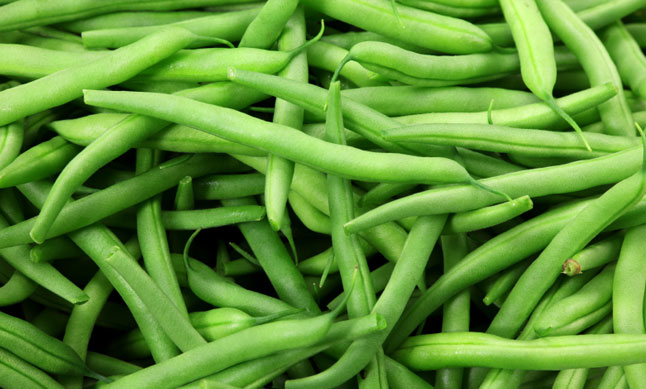
    Though they are colloquially called beans, scientifically, what we know as green beans are more closely akin to pod vegetables. Sometimes also known as snap beans or string beans, they are picked and consumed before they mature, and as such are much more like snap peas and okra then ‘beans’.

    Like your mother used to say, you should eat your vegetables, they are good for you. Fruits and vegetables are universally accepted to be beneficial dietary choices. Studies consistently find that a diet high in fruits and vegetables confers a number of positive health effects such as fighting heart disease, diabetes, and obesity. Of course that’s just a taste of what a diet high in vegetables can do for you, and green beans can be a healthy element of such a plant rich diet.

    greenbeans

    Beans Helps to Beat Cancer

    Chlorophyll is the compound in plants that make them green. It is an essential part of the photosynthetic process—the process by which plants convert sunlight into energy—and when consumed by humans chlorophyll as an interesting effect. When grilling or searing meats, the resulting black charred bits are full of compounds known as heterocyclic amines. Known carcinogens, these compounds can increase the risk of cancer. Pairing green beans with charred meats is an effective way to increase your chlorophyll intake; chlorophyll can reduce the carcinogenic effects of heterocyclic amines.

    Beans Boost Fertility

    Iron is a fertility boosting nutrient and a key component in a woman’s diet. Green beans, along with many other greens such as spinach are high in iron. Of course iron alone isn’t the only key nutrient for mother and baby; folic acid is also a big part of a healthy pregnancy and a healthy reproductive system. Green beans are a healthy choice for couples looking to conceive; one cup provides 10% of recommended daily folic acid intake and 6% of recommended daily iron.

    Beans Fight Depression

    Folates have a variety of health benefits, and meeting the daily recommended amount may contribute to the lessening of depression symptoms. This is due to the fact that folate consumption can reduce the build-up of homocysteine within your body. Too much homocysteine can inhibit nutrient absorption in the brain and this means lower levels of all of the good mood regulating hormones—serotonin and dopamine.

    Beans Build Bones

    Vitamin K has been linked to the strength of bones. A vitamin K deficiency can lead to a weak bone matrix from poor absorption of calcium. More vitamin K means more calcium is absorbed and less is excreted as waste. A single cup of green beans has nearly 20% of the daily recommended intake—roughly 14 micrograms. While not a high source of calcium, many diets are low in calcium and green beans contain about 4% of the daily recommended amount.

    While many people will skip their vegetables in favour of supplements, studies have consistently shown that consuming vitamins and nutrients within our diets is much more effective than isolating the nutrients in supplements. The bottom line: eat your vegetables.

    Beans and Cardiovascular Disease

    Green beans are also a major source of flavonoids. These antioxidants have an inflammation fighting effect on the body and have been shown to reduce chances of blood clots and strokes. Known as thrombotic activity, these cardiovascular events can have serious consequences and a diet rich in flavonoids—such as one that favours green beans—can significantly reduce cardiovascular risks.

    Beans Regulate Diabetes

    While it is uncommon to find natural remedies to the symptoms of diabetes, green beans have consistently been linked to the regulation of blood sugar levels in those suffering from the debilitating disease. While green beans alone will not treat a diagnosis, their regulating effects can have a positive effect on the lives of many people.

    Beans Beef up the Immune System

    Antioxidants have a tremendous range of beneficial effects on our bodies. They reduce inflammation, fight free radical damage, and can reduce the risk of cancer. As we learn more about antioxidants, it is clear that green beans are better for us than previously suspected. Flavonoid components such as quercetin and kamferol and the recently uncovered catechins and epicatechins can protect the body and reduce the risk of serious disease.

    Beans mean Better Eyes

    Various compounds within green beans are known to reduce stress to components in the eye. These include lutein and zeaxanthin, two carotenoids that keep the macula from being damaged (the macula is a part of the retina). Combined with other eye-health fruits and vegetables, a diet high in green beans can help reduce the effects of progressive vision deterioration.

    Beans mean Less Gastrointestinal Issues

    Despite all of the powerful health benefits that green beans confer, this is what they’re known for. The high fibre content in green beans means that they are good for a variety of digestive issues. Minor symptoms like constipation, haemorrhoids, and acid reflux disease can be reduced and green beans also contribute to more serious conditions such as ulcers. The best vegetable for digestive health, a single serving of beans contains as much as 110 grams of fibre—as much as 15% of your daily recommended intake.

  • Health Benefits of Sardines

    Health Benefits of Sardines


    Often overlooked, these small and smelly fish were thrust into greatness by Napoleon Bonaparte himself. He took a liking to them and as such they became known as a delicacy. The name originates from the Italian island of Sardinia, and since Napoleon’s day, these salty fish have been canned and shipped all over the world. Here are some benefits to your health that Sardines offer.

    High in Vitamins B2, B3 and B12 and Tryptophan

    Sardines are rich in vitamin B12 and they are also a good source of tryptophan. Vitamin B12 contributes to circulatory and nervous health, and tryptophan is an essential amino acid that aids in the production of serotonin—the compound that balances mood.

    Additionally, they have high levels of vitamins B2 and B3. Vitamin B3 (niacin) is an essential component in skin, nervous and circulatory health. Some studies have shown a link between high vitamin B3 consumption and the possible prevention of Alzheimer’s disease. Vitamin B2 is also a key component of a healthy nervous system and is an important part of energy production at the cellular level.

    Rich in Vitamin D and Calcium for Bone Health

    The small sardine is also rich in vitamin D. Vitamin D is an essential nutrient for the development of strong, healthy bones and glowing skin. Combined with calcium, the two work in tandem to slow the effects of age-related loss of bone density and reduce joint inflammation.

    Additionally, vitamin D is contributory to a reduction in the risk of the development of cancer. This essential vitamin helps promote healthy cellular activity which lowers the chances that cancerous activity will occur.

    Rich Omega 3 Fatty Acids Source

    Sardines are in the same family as salmon and mackerel and it’s harder to find a richer source of omega 3 and 6 fatty acids anywhere. Omega 3 fatty acids act as antioxidants for the body. They fight free radical damage and slow the progression of age-related degeneration of cells. They can also reduce the risk of some chronic diseases, including cancer.

    Omega 3s also form the ‘good cholesterol’ or high density lipoprotein (HDL). HDL fights the deposit of LDL (low density lipoprotein) as plaque on artery walls and therefore lowers the risk of cardiovascular disease. Importantly, they also contain elements that strengthen damaged arterial walls, so not only do omega 3s help lower cholesterol, but they also fight against heart disease.

    High in Protein and Phosphorous

    Sardines contain concentrations of protein and phosphorous. Various proteins are put to good use repairing body tissue from everyday stressors. Phosphorous, along with aforementioned calcium, build strong and healthy bones, teeth and gums.

    Due to rampant industrial pollution of the world’s oceans, wild caught fish have been found to have high concentrations of dangerous heavy metals and other industrial waste substances. Due to these high levels of mercury and PCBs, high consumption of ocean fish can have negative health effects. Somewhat surprisingly, sardines have been found to have lower concentrations of these dangerous compounds, meaning that their health benefits are not as compromised as other oily fish.

  • Is It Bad To Eat While Lying Down?

    Is It Bad To Eat While Lying Down?

    Eating is a necessity for man to live. This is one aspect of man that no kind of technological advancement can substitute. The food we eat is the human fuel that keeps us going. Over the past decades, a lot of articles have emphasized how necessary it is for us to eat good food.

    Food hygiene has also been a very common topic nowadays. What we eat, where we eat, and how we eat it becomes the question. Often times you come across people asking this question, is it bad to eat while lying down? This question is most common from kids and youngsters to their parents and a few times the parents to the dietician or doctors. The reason for this question could be based on the individuals’ love for lying down while eating through habit, such as when watching the latest movie on Netflix, or multitasking with a games console pal, whilst stuffing their faces with pizza; or maybe first thing in the morning when having breakfast in bed.


    Recent research has shown that our posture while eating greatly affects how well the food digests. Just as you don’t expect the flow of water from the top of a hose down to be the same with its flow from one end to another. Research also shows that sitting while eating, as opposed to lying down, makes us subconsciously eat slower, and be more focused on the meal, which helps our food digest properly.

    eating-in-bed

    One of the risks associated with lying down while eating is slow motility and delay in digestion unlike if you are sitting. Eating while lying down is also a known risk factor of reflux esophagitis. It can also result in heartburn or GERD, a syndrome where the lower esophagus does not close off properly after swallowing. This usually allows the stomach and food acid to move up from the stomach into the esophagus. Heartburn is a burning sensation around the chest area where the esophagus is located and the best way to prevent this is to sit while eating. A lot of people have suggested many things as the disadvantage of eating while lying down but most of these side effects are mere assumptions and speculations. No research has proved these assertions to be true. Apart from the above-listed effects like heartburn and slow digestion and in rare cases, cancer it affects have never been worse.


    So the answer to the question, ‘Is it bad to eat while lying down?’ is partial yes. So you can go on if it suits you but always remember the side effects. Doing it isn’t likely going to kill you or cause any serious harm apart from those listed above. At the end of the day, it’s your decision to make, but just like your mother and doctor have said it is more advisable to sit while eating. Serious tiredness and sickness are however different situations altogether. So what are you waiting for? Sit up and be comfortable as this will really help speed up your digestion.

  • What to Eat and Avoid For Healthier Teeth

    What to Eat and Avoid For Healthier Teeth

    Although we all know the advantages of brushing our teeth, flossing, and regularly visiting the dentist, there is a lot more to having healthy teeth in what you eat than most people realize. However, by making changes in what you eat and avoid eating, you can actually have a profound impact on your dental health. Here are some foods that are good for your teeth:

    Eggs and Milk

    As expected, milk is at the top of the list for teeth-healthy foods. The reason milk and eggs are both good for your teeth is that they contain high levels of calcium and vitamin D. Calcium is the mineral that strengthens your bone, and vitamin D is what your body needs in order to process it, which is why milk is often fortified with vitamin D. You can also get vitamin D by spending time in the sun.

    Yogurt and Cheese

    These are both dairy products that work similarly to milk to strengthen teeth with calcium, and they also contain phosphorus which helps protect the enamel of the teeth and replaces lost minerals. Cheese is considered to be especially good for your teeth because it has a protein known as casein which also strengthens the enamel.

    Fish, Meat, and Tofu

    Phosphorus, as previous mentioned, is one of the most important minerals for healthier teeth and bones. Foods like meat, tofu, and fatty fish such as salmon all contain high levels of this vital mineral. You can also make broth from meat bones to get plenty of phosphorus for strong, healthy teeth.

  • 10 Reasons Why You Should Cut Down on Sugar

    10 Reasons Why You Should Cut Down on Sugar

    The Dietary Guidelines Advisory Committee recently declared that sugar is the biggest health concern for Americans today, and yet you can find it in everything, starting with your bowl of cereal in the morning on to the ketchup that you add to your burger at dinner. One of the biggest problems is that with most of the American public believing fat to be the dietary enemy, they have turned instead to low-fat versions of foods which are packed with sugar.

    Although small amounts of sugar are beneficial to you and can provide you with energy to keep going throughout your day, the amount of sugar that the average American eats is over twice the amount that is recommended by the American Heart Association. This leads to a myriad of health concerns. Here are 10 reasons to stop eating sugar.

    1. High Blood Pressure

    One of the things that sugar does to the body is it raises blood pressure. High blood pressure can lead to a number of health problems such as heart disease, strokes, heart attacks, kidney damage, and others. Even if you are not overweight but are getting a high percentage of your daily calorie intake from sugars, sugar will cause high blood pressure.

  • 10 Bizarre Phobias You Have Never Heard of

    10 Bizarre Phobias You Have Never Heard of

    It is common to mistake worry, fear, or concern for a true blue phobia. The reality is that a phobia is so much more than just a little anxiety. It is a debilitating and, more often than not, unfounded and baseless terror. Phobias can manifest themselves in a variety of ways. We’re all familiar with the common ones, such as arachnophobia (the fear of spiders), but there are some odd ones out there that you just won’t believe.

    10. Agyrophobia – Fear of Crossing the Street

    Oxford_Street_December_2006

    Like many phobias, people afflicted with agyrophobia are not terrified of just the act of crossing the street but of falling or being struck by passing motorists. It can also manifest itself as simply a fear of blind corners, or wide avenues or thoroughfares where the person suffering could potentially be injured. Of course, looking both ways before crossing, using common sense, and staying off your phone will mostly keep you safe but those suggestions fall on deaf ears for agyrophobics.

    It is worth noting that this phobia is not the same as a fear of cars or the fear of riding in a car which is referred to as amaxophobia.

  • 10 Foods Most Likely To Be Genetically Modified

    10 Foods Most Likely To Be Genetically Modified

    There’s huge controversy over genetically modified foods that’s been raging for years. These foods are being created by inserting genes from one type of living organism into another. For example, a gene from a fish might be inserted into soybean plants to make them more resistant to cold temperatures. As you might expect, the big corporations that have been pushing for the adoption of GMO foods claim that they are not harmful and are just as healthy for as non-GMO foods.

    The battle over GMOs is not likely to end any time soon and for those who would prefer to avoid these high-tech food items, it may be best to stay away from the following foods or ensure that you are able to get your hands on a non-GMO variety.

    1. Corn

    Image Source: Maciek
    Image Source: Maciek

    The majority of corn produced in the United States is now genetically modified. It’s corn has been modified so that it produces its own insecticide as it grows and is supposed to be resistant to certain pests. The big question revolves around what that internally-produced insecticide does to people who eat it. Some scientific studies have indicated that GMO corn may cause fertility problems and offspring with reduced birth weight.

    2. Soy

    Image Source: Carol Von Canon
    Image Source: Carol Von Canon

    Soy is used by food manufacturers in a dizzying array of products and is found in many food products you would probably not expect. Soy has been modified so that it can resist herbicides that are used by farmers to control weeds. When hamsters were fed GMO soy as part of an experiment it was discovered that they experienced serious problems reproducing.

    3. Cotton

    Image Source: Mike Beauregard
    Image Source: Mike Beauregard

    While we normally may think of cotton only as something used to manufacture clothing or other non-edible products, it is also used to make cottonseed oil, which is used in cooking and food manufacturing. Scientists have modified cotton so that it can resist pesticides. Use of GMO crops has been heavily promoted in countries like India and thousands of farmers who were exposed to GMO cotton in that country suffered from serious rashes.

    4. Papaya

    Image Source: Margrit
    Image Source: Margrit

    This tropical fruit was engineered so it would be able to resist a virus that it is often susceptible to. It was first introduced in Hawaii during 1999 and is estimated to comprise around three-quarters of the state’s papaya production. In India, scientists with help from Monsanto are working to develop papaya that is resistant to the ringspot virus.

    5. Rice

    Image Source: JMacPherson
    Image Source: JMacPherson

    As most people are aware, rice makes up an enormous portion of the diet for the people of Asia, due it’s many health benefits of the brown variety. Researchers are modifying rice so that it contains more vitamin A. The goal is to help reduce the incidence of infant diarrhea in developing countries. In China there are concerns that genetically modified rice could cause health problems and environmental damage due to the possibility of allergic reactions and possible gene transfers.

    6. Tomatoes

    Image Source: photon_de
    Image Source: photon_de

    Anyone who knows a little about tomato farming is familiar with one of the biggest problems farmers and retailers face, and that’s keeping them fresh long enough to be picked, packed, shipped and offered to consumers on store shelves. GMO tomatoes are supposed to help solve that problem by making them last much longer. One scientific study involved feeding GMO tomatoes to animals and found that some of them died within weeks of consuming them.

    7. Rapeseed

    Image Source: Reto Fetz
    Image Source: Reto Fetz

    This crop, that is better-known to many as canola is used to make cooking oils and margarine. GMO rapeseed has been used extensively by commercial farmers in Canada and concern is growing over the discovery that honey bees there were using GMO rapeseed pollen to make honey. It is estimated that as much as a third of the all the pollen present in Canadian honey may come from pollen produced by GMO rapeseed crops.

    8. Milk

    Image Source: shinichi
    Image Source: shinichi

    In addition to the work corporations like Monsanto have been doing to modify food crops, they have also developed ways to modify animal genes to boost productivity and profits. A product that Monsanto developed called recombinant (genetically modified) bovine growth hormone or rbGH is injected into dairy cows in order to artificially increase their milk production. A side effect of injecting cows with rbGH is that they produce milk that has higher levels of something called Insulin Growth Factor 1 or IGF-1. Some doctors and scientists believe that increased levels of IGF-1 could be linked to cancers of the colon and breast.

    9. Potatoes

    Image Source: grassrootsgroundswell
    Image Source: grassrootsgroundswell

    Potatoes have been modified similar to the way corn has been modified so that it would produce its own insecticide. With potatoes it’s the Bacillus thuringiensis bacteria that was used with the hopes of it acting as a biological pesticide for potato pests. While the companies that create these GMO crops are quick to claim that the bacteria produced by the plant is simply eliminated by the digestive process, testing done with mice showed that toxins associated with the bacteria were still present in the digestive tract after they were supposed to be eliminated.

    10. Peas

    Image Source: Urban Combing (Ultrastar175g)
    Image Source: Urban Combing (Ultrastar175g)

    With peas, scientists used a gene from kidney beans that is supposed to function as a pesticide inside the growing peas. Mice that were fed the genetically modified peas demonstrated an immune response which may indicate that humans would have a similar response.

  • Oral Sex Is Good For Women’s Health According to Science

    Oral Sex Is Good For Women’s Health According to Science

    sperm

    Based on a research carried out on the effects of semen’s mood-changing chemicals, it was discovered that women’s health could benefit a great deal from oral sex.

    [bg_collapse view=”button-orange” color=”#4a4949″ icon=”eye” expand_text=”Click to view the rest of this article” collapse_text=”Show Less” ]

    A study done by the New York State University, which was not done through practical experiment, but through survey was able to compare the sex life of a sample of 293 ladies to their mental well being.

    It takes after exploration which demonstrates that seminal fluid has inherent chemicals that improves moods, enhances affection, prompts rest and contains no less than three antidepressants.

    It was also stated by the researchers that women who engage in frequent unprotected sex usually perform better on subjective tests and are usually less depressed.

    Semen contains spermatozoa alongside other chemicals like cortisol, which can enhance affection, oxytocin and estrone which improves mood.

    It likewise contains serotonin (maybe the most popular stimulant neurotransmitter), melatonin (sleep inducer rest), and thyrotropin-discharging hormone (another energizer).

    With these components – and this is only a little percentage of the mind changing “medicine” present in the human semen – Steven Platek who is a psychologist along with Researchers Burch and Gallup are of the opinion that ladies having unprotected sex ought to be less depressed than participants of suitable control.

    The Benefits of Semen

    More recent discoveries from Gallup’s lab shows that ladies exposed to semen have better concentration and performance levels. The research also suggests that the body of a woman can identify foreign semen which is different from that of their long term partner.

    They are of the opinion that the capacity to recognize outside sources is an advanced framework that regularly results in unsuccessful pregnancies – through higher risks of preeclampsia – in light of the fact that it flags a disinvested male partner who is unlikely to cater for the offspring.

    Their discoveries additionally propose that ladies who have unprotected sex with their partners – and in this manner are getting routinely inseminated by them – encounter more critical depression when there is a separation or break-up compared to those who were not regularly exposed to the semen of the ex, and thus, they tend to seek rebounds or fresh relationships faster.

    To explore the possibilities of semen having stimulant impacts, the researcher gathered together 293 school girls from the university’s Albany campus, who consented to supply information anonymously about their sex lives.

    Fresh sexual exercise without protection was utilized as an aberrant measure of seminal plasma flowing in the lady’s body.

    Every volunteer additionally finished the Beck Depression Inventory, a normally utilized clinical measure of depressive indications.

    The most critical discoveries from this study, as recorded in the Archives of Sexual Behavior were, despite adapting the recurrence of sex, ladies who get involved in unprotected sex demonstrated altogether less depressive indications than those that almost always or always make use of protection.

    Significantly, these women that engage in frequent unprotected sex showed less symptoms of depression than those who refrained from sex completely.

    Surprisingly, sexually promiscuous women who used condoms frequently showed the same depressive symptoms as women who were completely abstaining from sex.

    The research also posits that not only are the sexually active women happier but the quantity of semen in their body also influences the happiness levels.[/bg_collapse]