
Blog

  • Ways to Treat Depression (Without Medication)

    Ways to Treat Depression (Without Medication)

    Many people with depression do not realize that besides pharmaceutical medications, there are some things that can be done at home to improve the symptoms of the disorder. The first approach to treatment of depression is to learn about the disorder because this can help motivate you to stick to your treatment and makes you aware of the warning signs of depression. The family should always be part of this therapy as they are in a better position to monitor for worsening symptoms.

    depressed-man

    Secondly, individuals with depression should try and avoid recreational drugs and alcohol as these agents can worsen the symptoms of depression. A glass of wine once in a while may not be harmful but regular intake of alcoholic beverages is not recommended.


    Over the years, several non-drug therapies have become available to treat depression. The use of St John’s wort has been shown to improve mild to moderate depression without causing any major adverse effects. In fact, clinical studies show that this herb is equally as effective as some of the older tricyclic antidepressant medications. However, St John’s wort should be used with caution as it may interact with other medications. Never combine St John’s wort with antidepressants as it may lead to serious adverse effects.

    Other supplements that have been shown to improve mild depression include the use of SAMe and omega-3 fatty acids. Unlike St John’s Wort, the evidence to support these supplements to reverse depression is not as strong.


    Besides drugs and supplements, there are several alternative and complimentary therapies that can help improve the mind. These mind-body techniques for management of depression include acupuncture, yoga, meditation, massage therapy, guided imagery, music, and spirituality. It is important to understand that all these techniques to reverse depression are not a one shot deal but have to be practiced regularly to obtain the maximal benefit.

    It is also important to be aware that depression is not the type of medical disorder that is advised to be treated by yourself. All patients who have depression should be followed by a healthcare provider. Further, all the supplements, alternative and complimentary therapies should not be a straight forward replacement for conventional antidepressant medications but should initially be considered as complimentary aids.

    Other things you can do to ease your depression include:

    • Simplifying your life and cutting back on unnecessary obligations.
    • Set up goals that are realistic and practical.
    • Today there are many local and online groups that offer education, counselling, resources and supports to help cope with depression. There are several religious organizations that also provide resources for depressed people.
    • Try not to become isolated. Whenever you get the opportunity, participate in family gatherings and other social activities. Structure your day so that you have a list of things to do and keep you busy.

    Finally, change your lifestyle; eat healthy, get adequate sleep and become physically active. There is a lot of evidence which now shows that almost any outdoors activity is beneficial to the brain and helps reverse the symptoms of depression.


    Do you know anybody with depression?

  • 9 Hidden Life Lessons That You Need To Learn From Star Wars

    9 Hidden Life Lessons That You Need To Learn From Star Wars

    As the world sees the return of Han Solo and the Millennium Falcon, let us reflect on the wisdom of the Jedi, The Sith Lord and The Force to be able to garner 9 hidden lessons Star Wars teaches us about life.

    1. Our thoughts and activities affect our future.
    “Always remember, your focus determines your reality.” – Qui-Gon Jinn

    That, which we spend many of our days pursuing and thinking about, directly impacts our future (for good or bad). With this in mind, we have to invest our time and energy into the people and things we are enthusiastic about, as well as our visions, instead of focusing on the negative or filling our lives with empty diversions.

    2. Do not let your life be guided by fear.
    “Fear leads to anger. Anger leads to hate. Hate leads to suffering.” – Yoda

    We are crippled by fear from doing what must be done. It prevents us from becoming the person we are supposed to be. It makes us frightened of those we don’t understand and isolates us from others.

    Historically speaking, fear has fuelled many genocides, wars, persecutions, and riots. Certainly, Yoda was onto something.

    3. Believe in the life you want to live – and live it!
    “Do or do not… there is no try.” – Yoda

    We can spend our whole lives debating all sorts of things, be frozen in fear and fighting with doubt. Yet, in life, nothing is sure. We can make a determination and stay with it or waste valuable time wallowing in uncertainty.


    4. Do not lie to yourself. We generally already know what the appropriate thing to do is.
    “Already know you, that which you need.” – Yoda

    Listen to your Gut Instinct, your heart, as well as your conscience. Listen to the nagging ideas that just will not go away, or that Yoda voice. The remedy is within, although the road ahead looks perilous.

    5. At times, we simply need to let it go.
    “Let go of your hate.” – Luke Skywalker

    There’s absolutely no room for hate, fear, and sorrow in our lives. At times, we simply need to let it go so that we may finally be free.

    6. Surround yourself with people that understand you and are supportive.
    “I find your lack of faith disturbing.” – Darth Vader

    There’s certainly no reason whatsoever to waste your time or energy on people that bring you down. Instead, fill your life with the believers and doers, those who inspire you to do well and those that bring positive energy into your life. Otherwise, you may recur to the dark side…


    7. Do not let impractical odds hold you back.
    “Sir, the possibility of successfully navigating an asteroid field is approximately 3,720 to 1.” – C-3PO:

    Even if an asteroid field is launching towards you and your odds of being successful is 3,720 to 1, do not let this appalling ratio deter you from following your heart.

    8. Oftentimes, success emanates from surmounting failures.
    “Strike me down and I will become more powerful than you can possibly imagine.” – Obi- Wan Kenobi

    Success cannot thrive without hard work. It’s discovered exclusively through deep devotion, trial and error, as well as the ability to see drawbacks as stepping stones towards later success.

    9. Humor goes a very long way.
    “One thing’s for sure, we’re all gonna be a lot thinner.” – Han Solo (as the garbage crusher closes in)

    It is natural to freak out when things get tough. Nevertheless, freaking out is not the most productive or efficient means to solve a problem. With humor, the mood lightens and gives everyone time to regroup and reassess the scenario. In addition, it keeps spirits high, empowering individuals to do what must be done. Not to mention girls like dudes that can throw in a joke or two occasionally.

  • Sea Otter Facts

    Sea Otter Facts

    sea-otters

    Sea Otters are lovable animals that reside both ashore and in water. They are however usually mixed up with beavers. They for the most part live ashore in close proximity to waterways. They feed on both water creatures, for example, fish as well as land animals counting little reptiles. They are little creatures that grow to about four feet long and weigh about 30 pounds. There are 13 distinguished types of Otters recognized.

    A great many individuals observe the Sea Otter to be an amicable looking animal. They have the tendency of allowing people to be so they aren’t a danger in the event that you happen to come across one. Be that as it may, they do bite and can also battle using their tails so in the event that you are inciting an assault then you have been cautioned.

    Sea Otters have been in existence for no less than 5 million years according to the remains of early fossils. They inhabit various areas and even little waterways. Owing to hunting activities and the demolition of their natural surroundings the future of a few species of this animal group is in great danger. A large number of them can’t sufficiently discover nourishment to stay alive or the water bodies surrounding them are contaminated which causes illness to them.

    For little animals however they do consume a considerable amount. They can devour on a day to day basis about 20% of their body mass. At the point when a female is nursing a young one, she will devour considerably more than 20%. Approximately 5 hours daily is spent on scavenging and devouring nourishment. Otters must be exceedingly versatile too in order to be able to discover the sources of nourishment available. In case their natural living space isn’t sufficiently nourishing them, they will need to relocate to another area.

    The body characteristics of the Sea Otter enables it to adapt extremely well both in water and on land. This is a major reason why scientists believe it has possessed the capacity to adjust to transformations in the surroundings very well. Being that they aren’t totally reliant on one of these environments for nourishment or survival they can alter their lifestyle to manage what is available to them.

    Most Sea Otters are exceptionally social and enjoy spending time with each other. They are very lively making individuals interested in watching them. A few of the regular exercises they incorporate are moving up slopes and sliding down them and also grappling with one another. They additionally can make instruments from things in their surroundings which they use when playing or when they need to protect themselves.

    Given that Sea Otters reside in such a large number of diverse areas, it is simple for them to be watched. Yet, there is far more studies that should be conducted regarding their capability to adjust and survive dangers from people and different creatures, and their correspondence with one another. In any case, there still remains quite a lot of things that we are yet to know concerning them.

    Quite a few Otters are in confined areas and they have a tendency to do fine and dandy. They aren’t costly creatures to cater for. A lot of study data has been gathered from those in confinement. Obviously that has caused so much strain however with different animal activist groups. They believe the Otter shouldn’t be held captive except there certain health issues arise that keep it from having the capacity to survive all alone in nature.

    The endeavours throughout the years to offer protection to these Otters have generally been fruitful however. A few Otter species are currently in genuine risk while a modest bunch of others are believed to be defenceless. With a lot of protection endeavours set up at this time however there is a decent opportunity that we will witness the survival of these animals in many years to come.

    Quick Sea Otter Fun Facts:

    1. Otters living in water are one of only a handful of creatures that use tools. They for the most part utilize rocks, yet have been noticed utilizing glass pop containers and concrete pieces.
    2. Otters are known to hold hands when they sleep and rest, to prevent losing each other
    3. Infant pups can’t sink or plunge.
    4. Otters living in water have integrated pockets beneath their arms.
    5. A gathering of Sea Otters relaxing together is known as a raft.
    6. Otters living in water are the sole marine warm blooded creature lacking a layer of lard (fat).
    7. The fur of Otters living in water has 10x the number of hairs for each square inch than we possess on our whole head. (Human beings 100,000; otters 1,000,000)
    8. The teeth of Otters living in water are sufficiently solid to chomp through the spines of a sea urchin, or crack a shellfish open.
    9. Wild grown-up Sea Otters consume 25% or a greater amount of their body weight daily, or over 12 pounds of fish. A 150 lb human being would need to consume 37 lbs of nourishment daily!
    10. The diet of sea Otters can comprise of: mussels, crabs, fat innkeeper worms, molluscs, abalone, scallops, sea urchins, squid, sea stars, octopus, and snails.
    11. The marine predators of sea Otters include human beings, killer whales and the great white sharks.
    12. Under the (United States) Endangered Species Act of 1977, sea Otters are viewed as “threatened with extinction.” the sea otters in fact are not a species in danger of extinction.
    13. Otters living in water can dive about 5 minutes, and average about 60 feet deep (however can dive about 300 feet).
    14. Sea Otters were believed to be wiped out due to fur hunting until a raft of about 32 otters was discovered off of Big Sur, California in 1938.
    15. Sea Otter possesses: great vision above and beneath water, profound sense of smell and taste, feel for prey, groom, and use instruments with their paws, and use their whiskers to detect vibrations in the sea.
    16. Sea Otters are known to swathe themselves and their pups in kelp fronds while resting so they don’t float away.
    17. Other than predators (human beings, killer whales and great white sharks), about 40% of southern ocean otters are killed by parasites and illness. One pervasive parasite, Toxoplasma gondii is located in feline excrement (do not flush cat litter!).
    18. Sea Otters are viewed as a cornerstone animal categories, in light of the fact that they control (by consuming) the sea urchins that eat up kelp (they additionally assist in alleviating global warming).
    19. Majority of the days are spent by sea Otters grooming, scavenging, eating, and dozing.
    20. The metabolic rate of sea Otters is 2-3 times more noteworthy than different warm blooded animals of similar size (they must consume 25% of their body weight daily).
    21. The sea Otters are interrelated with weasels and skunks.
  • How to Stop a Runny Nose: 7 Tips

    How to Stop a Runny Nose: 7 Tips

    blowing-nose

    Rhinitis is typically the cause of a runny nose and it’s the mucus membranes inside the sinus and nasal passages becoming irritated. The increased production of mucus by the body is its own way of eliminating certain infections in the body.


    A runny nose could be caused by an infection such as the flu or a cold or by cold weather, crying, allergies, and particles in the air or irritating smells. Lots of over the counter prescriptions can cure your runny nose but often include certain side effects such as drowsiness. Here are some of the best methods to stop your runny nose and minimize the strength of symptoms, with no adverse reactions.

    1. Saline Drops or Sprays

    Thinning your mucus can be of assistance in ridding the body of symptoms of runny noses. You can buy a saline nasal drop or spray or you can always formulate your own by dissolving one-quarter teaspoon of salt in two cups of lukewarm distilled water. Place a suction bulb into your nostril one after the other and inhale deeply. Use as often as necessary to stop a runny nose and recover your health fast.

    2. Use a Humidifier

    If the runny nose occurs with or causes nasal congestion, dry air is usually responsible as it thickens and dries out the mucus thereby congesting your nose and throat. Install a humidifier in your sleeping area to warm the air and clear your airways so you can wake up without a congested or runny nose.

    3. Ginger

    Ginger is the one of the most effective natural cures for stopping a runny nose as it contains antiviral, antioxidants, anti-fungal and anti toxic properties. Chew some ginger lobes with a pinch of salt daily to rid yourself of a runny nose. Ginger’s ability to fight against germs and bacteria residing in the body is of immense benefit.

    4. Turmeric

    It is often used in traditional Indian medicine and is extraordinarily well-known for treating a host of varying infections including a runny nose. To use Turmeric, take some dry ground turmeric and saturate it in linseed oil which can be obtained from most grocery stores. Pour the mixture in a spoon and warm on low flame until it starts to burn. Breathe in the rising smoke for a minimum of 5 minutes.

    5. Acupressure

    This process involves applying pressure to certain areas of the body in order to remedy a runny nose. Apply gentle pressure on the side of the nose ten times and ensure the nostril gets nearly closed each time pressure is applied on that spot. Next, press down on the spot just beneath the eyes and repeat the procedure ten times on both eyes. Finally, knead both earlobes for a period of ten seconds.

    Acupuncture therapists believe that by applying pressure to these spots you can ease congestion of sinus, nasal passages and runny nose which results from cold or several allergies.

    6. Apply Steam

    Sitting in a hot bath or taking a hot shower can help alleviate the symptoms of a runny nose. Directly breathing in the steam from a basin of hot water also works effectively, and can help relieve the mucous membranes coating the interior of the nose.

    7. Eating Hot and Spicy Foods

    Eating hot and spicy meals that are cooked using ingredients such as cayenne pepper or chili pepper can go a long way in not just stopping a runny nose but further clearing nasal congestion. There is a universal false impression that hot and spicy food worsens a runny nose. While this is true when starting out, over time, the spicy foods eventually help to eliminate the side effects of a runny nose.

  • Facts About London Bridge

    Facts About London Bridge

    A total of 24 bridges span the River Thames in London, starting from the Kew Bridge to the Tower Bridge. These bridges are iconic representations and provide spectacular views and access to quite a few of the city’s most admired tours, highlights and events. By their own right, they are also celebrated landmarks.

    The oldest of them all is the London Bridge, which was first built from wood. In year 1209 it was demolished and replaced by a stone bridge lined with houses and shops along its side. In 1831, the stone bridge was in turn replaced by a granite bridge, and the granite replaced in 1973 by the current concrete bridge. The current London Bridge was designed by Lord Holford. Work commenced in 1967 and was finished in 1972. The London Bridge has lived for over 182 years.


    The current London Bridge was designed and constructed under the supervision of a renowned architecture, Michael Leeming. According to Michael Leeming, the immense bridge project was one of his greatest projects of which he is extremely proud to have designed. The London Bridge possesses one of the most excellent road types in London. It is an A3 road with 5 lanes and also happens to be one of the busiest bridges in London. The closest underground rail stations to the London Bridge are the Monument and London Bridge.

    Being one of the most renowned bridges in the Capital city of England, London Bridge is a major tourist attraction in London. It is situated between the Tower Bridge and the Cannon Street Railway Bridge and connects the City of London with Southwark; it is commonly used by the vehicles in addition to pedestrians who subsequent to exiting the London Bridge tube station head across the bridge itself in order to reach the City of London.

    London Bridge is currently recognized as the world’s biggest antique, and with the launch of the bridge in October 1971, the Lake Havasu City was permanently included on the country’s map as the world-famed attraction site continues to attract tourists in their tens of thousands to the city on a yearly basis.


    London Bridge is also known to be home to a vast number of bats, which dwell in the nooks and crannies of its vacant interior. Also, the underside of the bridge is scattered with thousands of swallows who have also built their nests out of the mud pellets they collect from the Bridgewater Channel seashore.

    The bridge’s popularity has a far-reaching effect as its name London Bridge is synonymous with a traditional nursery school rhyme titled London Bridge is Falling Down, which also makes reference to the collapse of the historical bridge.


    An urban myth has it that a long time ago the bridge was purchased by an American industrialist, Robert P McCulloch, who shipped the bridge down to Arizona and rebuilt it brick by brick in Lake Havasu City as a tourist attraction, believing he had bought the much more iconic Tower Bridge. Nonetheless, this story is strongly disputed.

  • Health Benefits of Horseradish

    Health Benefits of Horseradish

    horseradish

    Horseradish is a type of seasoning known for its strong, spicy flavor. It is commonly used to help conserve canned foods during the winter as well as used during the year to add flavoring to various dishes. It is native to western parts of Asia and south-eastern parts of Europe. The plant does well in low and dry temperatures, and prefers shade, non-sandy soils, and argillaceous alkaline earth. The plant itself can reach 6 feet (2 meters) in height, and its leaves are also edible.


    Many people may not realize that horseradish has a huge number of health benefits, including:

    Prevention of Cancer

    Cruciferous vegetables, including horseradish, are connected to the prevention of a myriad of cancers, especially colorectal and lung cancers. This is because of the glucosinolates that horseradish contain. These compounds work with the liver to remove cancer-causing carcinogens which can help prevent the continued growth of tumors. Compared to other types of cruciferous vegetables, horseradish has a much high glucosinolate content, making it even more beneficial than the other vegetables in this family.

    High Levels of Vitamin C

    One of the most well-known and powerful antioxidants that horseradish has a lot of is vitamin C. Vitamin C works throughout the body to remove harmful toxins which cause damage at the cellular level. These toxins, or free radicals, are known to contribute to the development of cancer. Vitamin C also helps to boost the immune system and helps the body fight against a number of health concerns.

    Antibacterial and Antibiotic Properties

    Horseradish has been found to be very effective against a number of types of infections. This is in part due to the antioxidants it contains. Some of the types of infections that horseradish has been found to help treat include: common cold, the flu, coughing, ear infections, pneumonia, bladder infections, bronchitis, and strep throat. It’s anti-inflammatory properties can also help relieve the discomfort that often accompanies these conditions.

    Clearing the Sinus Cavities

    Because of its potent smell, it shouldn’t come as a surprise that horseradish will help to clear out the sinus cavities. However, it not only can help drain the sinuses when you need relief, but it may also help treat sinusitis as well as most antibiotics. There are a couple ways that you can take horseradish to treat sinus problems. You can drink juice that has been extracted from the root, or you can make a mixture of fresh grated root and wine vinegar, then breath in the fumes.

    Pain Reliever

    If you’re looking for a natural pain reliever for muscle or joint pain, consider trying out horseradish. By mixing it with olive oil and massaging it into your skin above the area that is bothering you, you can experience some relief. This sib because horseradish can help increase the blood flow to where it is applied which will help keep the build up of toxins which is causing the inflammation.

    Digestive Problems

    Another way that horseradish can help is in the digestive tract. It can help stimulate your appetite, and will also stimulate your digestive tract to make more digestive enzymes, which can help improve digestion. However, it is important to note that too much horseradish can actually irritate the digestive tract, especially if you have a sensitive system or an ulcer.

    Parasite Treatment

    Another way that horseradish helps in the digestive tract is by destroying parasites. Although it’s not fun to think about, many people have parasites but don’t realize it, which can cause everything from digestive problems to allergies. However, horseradish’s anti-microbial properties can help take care of them for you.

    Water Retention

    Horseradish is also a natural diuretic, so it can help you with problems such as edemas where you are retaining too much water. This will also help in the removal of toxins in your body and can also help improve your flow of urine. Be sure to drink plenty of water to help this process.

    Using Horseradish

    Because it has so many nutrients and helpful compounds packed into every bit, you don’t need to take much to get results. You can also find it at nearly any grocery or health food store. You can find it fresh or processed, and both ways are helpful in your body, though it is recommended to get it organic. You can even very easily grow it at home by buying organic horseradish root and planting pieces of it.

    Before taking horseradish, ask your doctor if you have gastrointestinal problems such as ulcers or renal problems as horseradish could make these worse. Horseradish should also not be given to children under the age of four.

  • What Happens When You Don’t Eat?

    What Happens When You Don’t Eat?

    not-eatingSignificant weight loss, dry skin, excessive hair loss – what does that sound like to you? Brittle nails, constant fatigue and a sickly pale complexion. I’m talking about what happens when you don’t eat.

    A common myth among pre-teens and teens is that if you don’t eat, you will lose weight. That is true to a certain extent but do you know what kind of suffering your body is going through? Let me break it down for you.

    IN 6 HOURS

    When you eat, excess food that is not used is stored in your body as a sugar known as glycogen. After 6 hours, your body’s blood sugar starts to drop and in reaction to that, your body converts glycogen back into glucose to fuel your body.

    FOOD-LESS FOR 3 DAYS

    Stores are bound to run out – the same goes with your body. The glycogen will probably keep your body sustained for about a day or two then your body enters ‘Starvation Mode’ (yes, it is a real term). This stage is also known as ketosis, where there are higher concentrations of ketone bodies. Ketone bodies are produced by the fatty acids in your body. For the meantime, your body will get energy from the ketone bodies.

    FAST FORWARD TO 6 DAYS

    After the fats are used up, the body has no choice but to start breaking down proteins, which is essentially, muscle. Your muscles start to waste away for the first 72 hours. However, roughly after 72 hours, the body gets used to the hunger – it starts to conserve energy and as a result, your metabolism plummets.

    STARVING FOR 3 WHOLE WEEKS

    Your body’s metabolism has fallen to use as little energy as possible but your body is still looking for energy. After depleting its source of energy in your muscles, your body will start to break down tissue. Tissue makes up your organs like your stomach, your lungs. Your body is practically eating itself at this stage. You will most probably start to get sick because your immune system has been weakened and you are lacking many minerals and nutrients. Your bone density deceases as well.

    Many people die from disease at this point because the body is unable to fight the external viruses. Even if you don’t die of disease, the body will be cannibalizing itself. People die from heart attacks at this stage too because the muscles in key organs such as the heart has been broken down.

    MORE INFO

    Even if you do abstain for food for several days, your body is bound to have some negative reactions, and some may even be irreversible. Not eating is basically torturing your own body and if you stop eating to lose weight and look skinny, trust me, you don’t look very great at all.

    You will look gaunt and scary, you lose hair and instead grow soft furry hair on your limbs and back, a condition called lanugo. This is barely the tip of the iceberg so remember your mealtimes!

  • Top 5 Richest Rappers in the World

    Top 5 Richest Rappers in the World

    The wildly acclaimed music style known as rap has continued to grow and expand as upcoming artists step into the limelight and already established rappers break set new milestones. With that in mind, let’s take a look at the most recent release by Forbes magazine on the top grossing earners in the rap industry.


    The most ironic aspect about all this is the fact that behind their enormous achievements RAP isn’t what has elevated them to the status they are presently.
    The top 5 richest rappers in the world are:

    5. Bryan “Birdman” Williams — $150 million

    The number 4 on the 2014 list ranks 5th this year with a $10 million drop. Birdman is still doing exceptionally well and his rise to fame can be attributed to the success of his record label Cash Money Records, which helped boost up his earnings in the early days.

    His drop can be attributed to the recent legal battles and departure of big names such as Lil Wayne. Ever the businessman, the founder and owner of Bronald Oil and Gas, LLC is still waxing strong.

    4. Curtis “50 Cent” Jackson — $155 million

    Although his music career is suddenly declining with his 2014 album, Animal Ambition, only selling 124,000 units as opposed to 12,000,000 copies sold from his 2000 major debut album, Get Rich or Die Tryin’. While relatively new on the top 5 list, Curtis “50 Cent” Jackson has continued to be on the up thanks to his sale of VitaminWater to Coca-Cola in 2007 which netted him $100 million. He also owns G-Unit Records, has stakes in Effen vodka and SMS headphones, he of late invested in Frigo, an underwear company.

    3. Sean “Jay Z” Carter — $550 million

    Although he is one of the most influential rappers till date, Jay Z with his exceptionally good eye for business has invested in a lot of startups and established businesses.

    After selling Rocawear, his clothing line in 2007 for $204 million and signing a $150 million collaboration with Live Nation in 2008. He also has his ‘Roc Nation’ and ‘Armand de Brignac’ champagne to thank for his increasing wealth. He recently re-launched ‘Tidal’ a Scandinavian streaming service and has a minority stake in NBA’s Brooklyn Nets.

    2. Andre “Dr. Dre” Young — $700 million

    He takes the number 2 slot much thanks to the sale of his thriving Beats by Dr. Dre headphones to Apple for $3 billion. The largest single pay check ever in hip-hop record. Moving on from his enormous success, the Beats Electronic Company has established Beats Music, which is an online-streaming service to contend with Spotify’s control over the market. He is currently worth $700 million.

    1. Sean “Diddy” Combs — $735 million

    Currently the richest rapper on earth. He started out with his label Bad Boy Records in the ’90s making his name off production and rap work with the likes of Notorious B.I.G. and Faith Evans. Sean “Diddy” Combs with his intelligent business deals owes much of his success to Sean John and Enyce, his clothing lines.

    He has a 50% stake in the Ciroc vodka brand, owns alkaline bottled water brand ‘Aquahydrate’ with popular actor Mark Wahlberg and tequila brand ‘DeLeon’. His recent major equity stake in the multi-platform TV network, Revolt TV could eventually see him rise to be the first billionaire recording artist in hip-hop history.

  • Health Benefits of Watermelon

    Health Benefits of Watermelon

    Watermelon is a native of Southern Africa and moved north to Egypt and later, about 1000 years ago, to China. Now, of course, watermelon is grown all over the world and these days, is cultivated to grow bigger and sweeter.

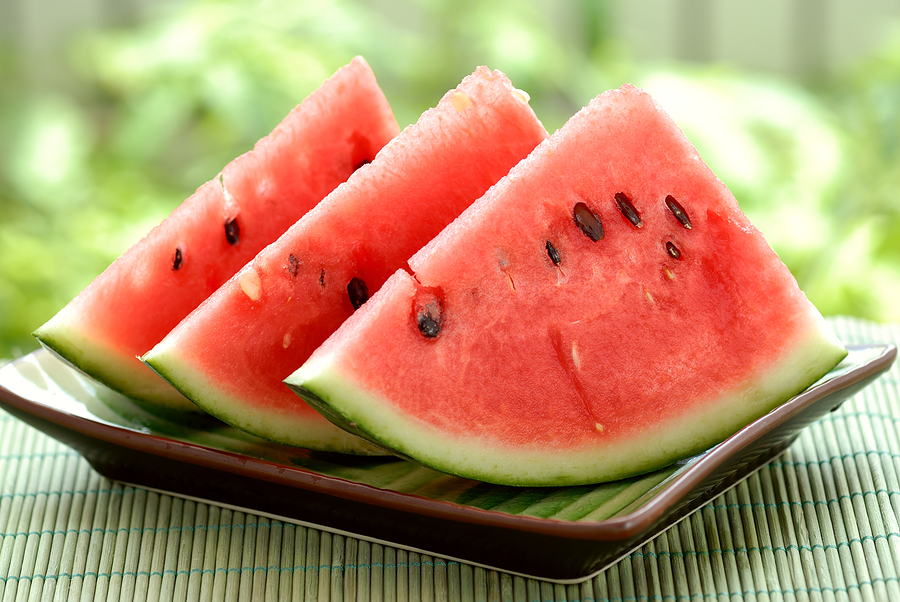
    watermelon-slices

    It is a popular myth, that Watermelon comprises water and sugar and that apart from the water, offers no benefits at all. Well, this could not be further from the truth! It is actually a nutrient dense food, and one that provides a high amount of Vitamins, antioxidants and minerals – and all for a surprisingly low count of calories.

    High Blood Pressure

    Watermelon is a high Lycopene food – like Tomatoes – being a carotenoid phytonutrient – which is particularly important for our cardiovascular (blood, veins, arteries and the heart) health – including improvement of blood flow to all parts of the body and thereby decreasing the pressure (blood pressure) needed to pump it around the system. There is also increasing evidence, that it prevents the accumulation of fat in fat cells.

    Cancer

    Watermelon is wonderful source of the powerful antioxidant Vitamin C – as well as a number of others (like, Vitamin E, Glutathione (GSH)) and Alpha-Lipoic-Acid (ALA)) which can assist in combatting the formation of known free-radicals that cause cancer. The intake of Lycopene (see High Blood Pressure above) has been linked to a decreased risk of Prostate Cancer (the Prostate Gland is only found in men) in a number of health studies. Other significant reductions have been seen in, breast, lung, colon and endometrial (the tissue lining the inner cavity of the uterus – or womb) cancers.

    Diabetes

    Diabetic patients often complain of feeling half-fed due to their low energy and low sugar diet. Step up the humble watermelon which, despite being sweet to taste a nice thick wedge will only provide relatively few calories due to the fact, which is composed of 99% water and roughage. But, the many vitamins and minerals, viz potassium and magnesium assist in the proper functioning of insulin in the body, thereby lowering the blood sugar level. Also, Arginine – another compound found in watermelons – is truly effective in enhancing the effectiveness of insulin on blood sugar levels.

    Macular Degeneration

    Reduce your concerns about eye health and macular degeneration by eating plenty of watermelon. This is due to its content of beta carotene, lutein, zeaxanthin and vitamin C, meaning that your eyes are well protected. These will ensure good protection of your eyes from age-related blindness and degeneration, and more, these antioxidants will aid the protection of your eyes from other age-related ailments such as, drying up of eyes and optical nerves – as well as glaucoma.

    Asthma

    It is known, that the risks for developing asthma are lower in those who consume high amounts of particular nutrients. One of these being vitamin C, found in many fruits and vegetables – including watermelon.

    Inflammation

    Watermelon contains Choline, an extremely important nutrient that aids our bodies in sleep, muscle movement and also learning and memory. Choline also very useful in maintaining the integrity of cellular membranes, assists in the transmission of nerve impulses and the absorption of fat and reduces chronic inflammation.

    Skin and Hair

    Watermelon is also a bonus for your skin because it contains vitamin A, a nutrient that’s necessary for the production of sebum, which helps to keep hair moisturized.

    Making sure you have enough vitamin C is also necessary for the building and maintenance of collagen, thereby providing structure to skin and hair. Watermelon also assists in overall hydration, something that is vital for healthy looking skin and hair.

    Impotence

    Arginine, which is also present in watermelon, is beneficial in curing erectile dysfunction, and further, the stimulating nature of this can lift libido, trim frigidity and provide a boost to your love life. So, why not enjoy a few slices of watermelon together!

    Conclusion

    Well, a host of benefits, I think that you will agree! Far from being inconsequential, watermelon could be thought more as a belle of the ball! Let me give you a passing tip: if your teeth are strong enough, eat those seeds within the watermelon – don’t spit them out! Watermelon seeds are rich in beneficial fats and proteins and besides, the outer shell acts as a good item of roughage and as my lovely (late) mother-in-law (from Devon) used to say – ”It’s good for what’s wrong with you!”

  • 11 Warning Signs of Identity Theft

    11 Warning Signs of Identity Theft

    Life experience teaches most people that you’ve got to take the bad along with the good, and that certainly applies to the super-connected digital world we live in today. As convenient as it is to shop online or purchase a latte using a cell phone, there are risks inherent in all technologies. As our personal information gets shot around the world at the speed of light through fiber optic cables and cellular networks and is ultimately stored on some server somewhere, it is vulnerable to cybercriminals who specialize in stealing the identities of random people and using that information for their own personal gain. Virtually everyone is vulnerable to identity theft, so here are some signs to watch for that may indicate that you have become a victim.